In a world where technology shapes nearly every part of daily life, digital tools are transforming how people connect with science. What once required a lab, a classroom, or specialized equipment can now be explored through a simple tap or click. These tools break down barriers that once limited scientific learning, offering clear explanations, interactive features, and real-world insights to curious minds everywhere. Whether someone is a student, a parent, or a lifelong learner, digital platforms make it easier than ever to understand complex ideas in ways that feel intuitive and exciting.
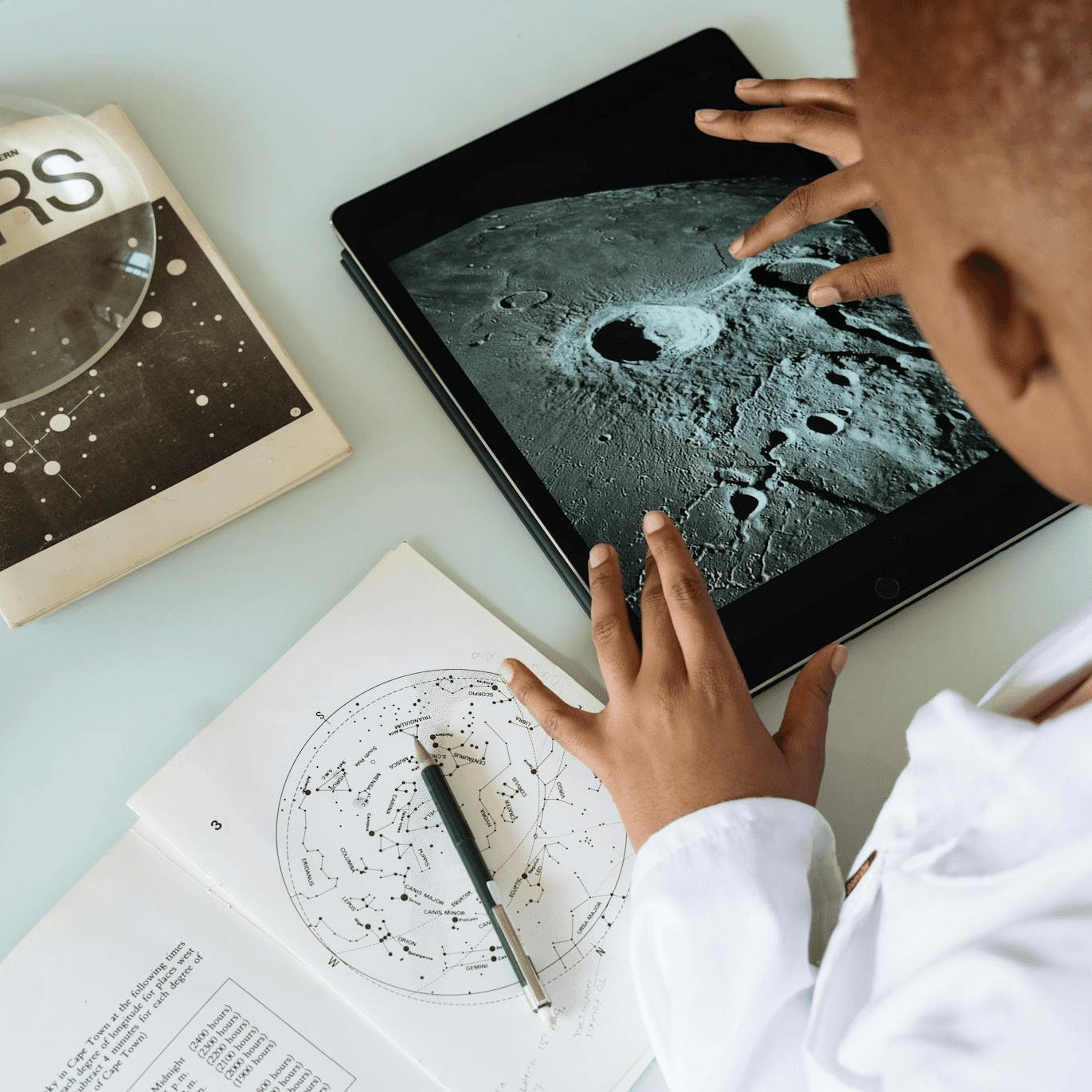
Today’s digital resources offer far more than static information — they create immersive, hands-on experiences. Interactive simulations allow users to test hypotheses without risk, virtual microscopes let learners observe cells and organisms up close, and data-visualization tools help transform raw numbers into meaningful stories. For many, these innovations turn abstract concepts into something they can see, manipulate, and truly understand. From exploring ecosystems through 3D models to visualizing how energy moves through a system, digital content empowers learners to explore science with confidence and creativity. Technology makes learning science more engaging than ever.
What makes these tools especially powerful is their reach. Digital platforms meet people wherever they are, regardless of geography or educational background. Students in rural or underserved communities can access high-quality resources that might not exist locally. Educators can use digital materials to enrich lessons, offer alternative explanations, and adapt activities to different learning styles. Families learning at home gain flexible, engaging ways to keep curiosity alive and support children’s growth beyond the classroom. By creating accessible pathways to knowledge, these tools help ensure that science is not limited to a privileged few, but shared inclusively.
As we look ahead, the role of digital innovation in science education will only grow. These tools aren’t just convenient upgrades — they’re reshaping how people learn, share, and understand scientific ideas. By combining accessibility, engagement, and technological creativity, digital platforms are helping build a more informed, empowered, and scientifically curious generation. In an era that demands critical thinking and discovery, making science accessible through digital tools isn’t just beneficial — it’s essential. Small steps with digital tools can spark big discoveries.