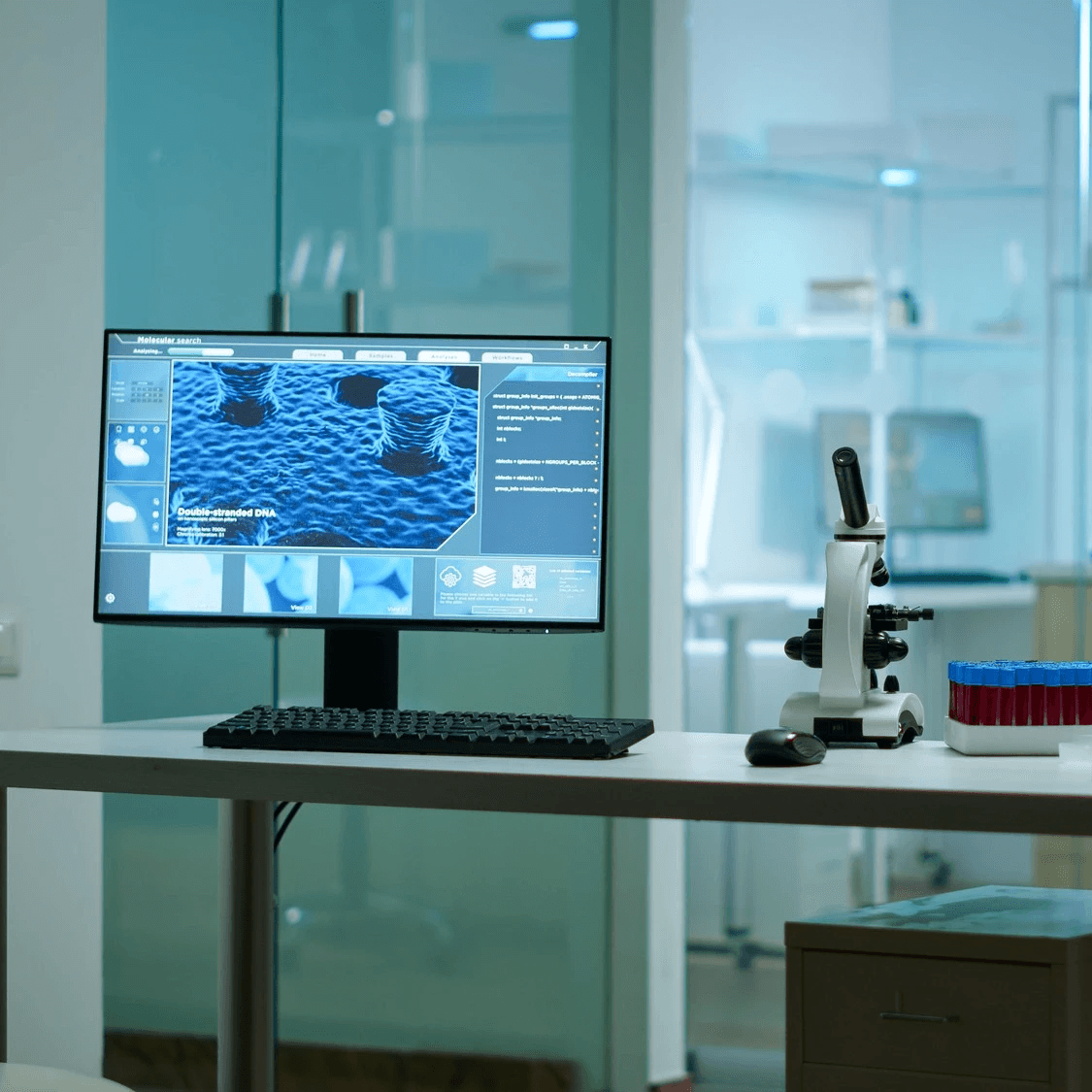
Digital platforms are changing the way people experience science, offering interactive experiences that make learning engaging, immersive, and accessible. No longer confined to textbooks or classrooms, learners of all ages can explore scientific concepts through tools that bring abstract ideas to life. From simulations and virtual labs to games and multimedia content, interactive platforms transform how we understand and engage with the world around us. These tools make science exploration both fun and meaningful.
These platforms allow users to experiment safely, visualize complex phenomena, and test hypotheses in ways that feel hands-on and intuitive. For example, learners can explore chemical reactions without a lab, manipulate models of ecosystems, or navigate the solar system in real time. By providing opportunities for active participation, digital tools make learning fun, fostering curiosity and reinforcing understanding through experience.
The reach of interactive platforms is especially powerful. Students in remote or underserved areas can access high-quality science resources, educators can enrich lessons with dynamic tools, and families can explore science together at home. By meeting learners where they are, both geographically and educationally, these platforms break down barriers and create inclusive opportunities for discovery. In this way, technology helps make science education truly accessible and universal.
As science education continues to evolve, embracing interactive digital experiences is more than a trend — it’s a pathway to deeper learning. By combining engagement, accessibility, and innovation, these tools inspire curiosity, encourage exploration, and cultivate the next generation of confident, knowledgeable science thinkers. They allow learners to experiment safely, visualize complex concepts, and receive immediate feedback. These experiences build skills that extend beyond the classroom.